
Before introducing the working principle of the vacuum cleaner, let us understand the structure of the vacuum cleaner. Only by clearing the structure can we understand the principle. Vacuum cleaners generally consist of three major structures: power unit, filter unit and accessories. The power part is of course the most important motor. The motors come in different sizes and categories. In addition, there is a device for adjusting the output power of the motor, referred to as a regulator; the filtration system is composed of filters, dust bags, etc.; the accessory department is also composed of some additional accessories and humanized designs to facilitate people's use, such as handles, hoses, etc.
How a vacuum cleaner works
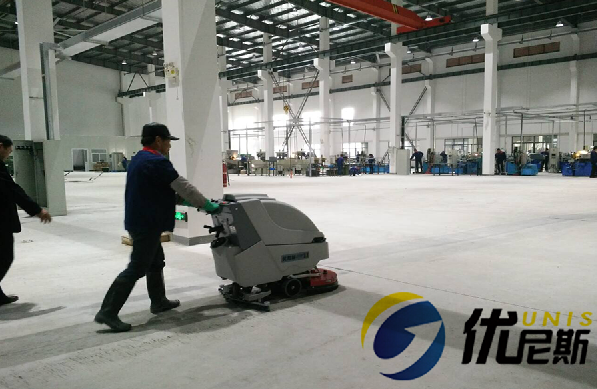
We have learned about the structure of the vacuum cleaner above. Now let’s talk about the working principle of the vacuum cleaner. In fact, the working principle of a vacuum cleaner is not complicated. It mainly uses the principle of pressure. When the vacuum cleaner is working, the motor rotates at high speed, sucking away the air close to the ground, creating a vacuum-like environment. Due to the strong atmospheric pressure, hair and other garbage on the ground are pushed into the vacuum cleaner by the external atmospheric pressure. Therefore, it can also be said that the vacuum cleaner sucks in garbage. After inhaling the garbage, use the filter bag filter to filter the garbage out, so that the vacuum cleaner completes a working cycle. Hand push floor washing machine